
Joint Pain: Could It Be Osteoarthritis?
Understanding the Most Common Cause of Aching Joints — and What You Can Do About It
Do your knees ache when you climb the stairs?
Do your fingers feel stiff in the morning?
Does your hip or lower back complain after a busy day?
You are not alone.
Joint pain is one of the most common reasons people visit the pharmacy, especially as we get older. While there are many causes of sore joints, one of the biggest culprits is osteoarthritis — often called “wear and tear arthritis.”
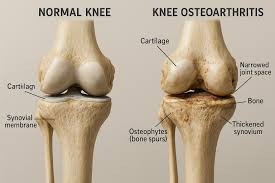
Osteoarthritis happens when the smooth cartilage that cushions the ends of your bones gradually breaks down. This means the joint no longer moves as freely or comfortably as it should, leading to pain, stiffness, swelling and reduced movement over time. It most commonly affects the knees, hips, hands and spine. (Mayo Clinic)
The good news?
Although osteoarthritis cannot be completely cured, there is a lot you can do to ease discomfort, improve movement, and stay active.
What Does Osteoarthritis Feel Like?
Many people think arthritis means severe pain all the time, but osteoarthritis often starts slowly, and symptoms may worsen gradually
You may notice:
Aching joints after activity
Morning stiffness or stiffness after sitting for a while
Cracking, clicking or grinding sounds in the joint
Swelling around the joint
Reduced flexibility
Difficulty bending, gripping or walking comfortably
Why Does Osteoarthritis Happen?
Osteoarthritis becomes more common with age, but it is not just “getting old.”
Several things increase your risk:
Previous joint injuries
Being overweight
Repetitive strain from work or sport
Family history
Weak muscles around the joints
Poor posture or joint alignment
Extra body weight is particularly important because it puts added pressure on the knees, hips and lower back every single day. (Mayo Clinic)
The Biggest Mistake People Make: Stopping Movement
When joints hurt, many people avoid exercise completely because they are afraid they are “wearing the joint out.”
In reality, gentle movement is one of the most effective treatments.
A recurring message from both clinical guidelines and patient communities is that complete rest often makes joints feel stiffer and weaker, while regular low-impact movement helps keep the joint mobile and strengthens the muscles that support it.
Good options include:
Walking
Swimming
Cycling
Gentle stretching
Light strengthening exercises
Water aerobics
The key is: move more, but move wisely.

How Can You Treat Osteoarthritis?
There is no one magic pill, but combining several simple treatments usually works best.
1. Pain Relief Medicines
Common pharmacy treatments include:
Paracetamol – Helpful for mild pain and often gentler on the stomach.
Anti-inflammatory tablets – Such as ibuprofen, naproxen or diclofenac, which can reduce both pain and swelling.
These should be used carefully if you have:
stomach ulcers,
kidney problems,
high blood pressure, or
heart disease.
Anti-inflammatory gels and creams – These can be rubbed directly onto painful knees, hands or other joints and often provide good relief with less stomach irritation.
Heat rubs / warming creams – Can soothe stiff muscles around sore joints.
Always ask your pharmacist which option is best for you — especially if you take other medication.

2. Hot and Cold Therapy
Simple but effective:
Heat packs help morning stiffness and tight joints.
Cold packs help swelling after activity.
Many customers find that using warmth before movement and cold after movement works well.
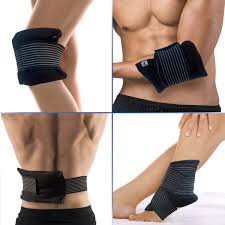
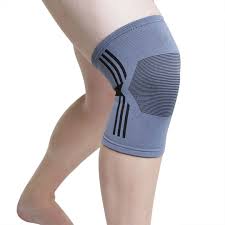
3. Joint Support Products
Supportive products can make daily movement easier:
knee braces
wrist supports
walking sticks
shoe inserts
compression supports
These help reduce pressure on painful joints and improve stability.
4. Weight Management
Even a small amount of weight loss can make a big difference to knee and hip pain.
Less weight = less pressure = less pain.
This is one of the most effective long-term ways to slow worsening osteoarthritis.
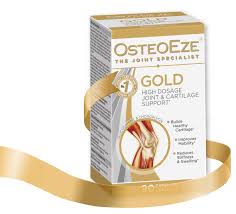
5. Supplements
These are some of the ingredients found in supplements to aid osteo arthritis
glucosamine
chondroitin
collagen
turmeric
omega-3
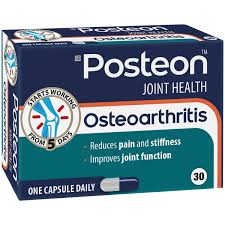
Posteon combines Boswelia with Avocado soybean unsaponofiables, to help with pain within 5 days and joint mobility in 2 weeks
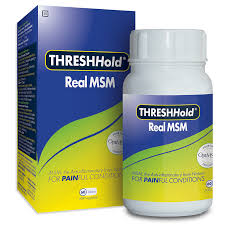
MSM is a safe, natural anti-inflammatory
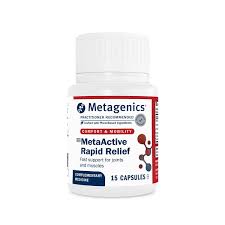
Metaactive rapid relief works within an hour for acute pain relief, with none of the health risks of scheduled anti-inflammatories
Results vary from person to person. They are not an instant fix, but usually improve joint mobility and pain over time.