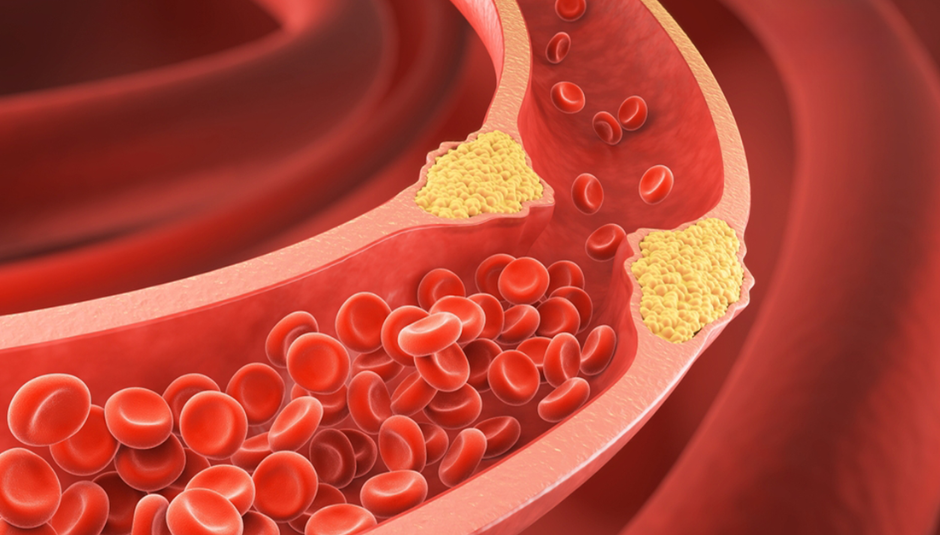

High cholesterol can lead to cardiovascular disease, which remains the leading cause of death worldwide. Elevated cholesterol, especially high levels of low-density lipoprotein (LDL), contributes to the formation of fatty plaques in the arteries. These plaques increase the risk of heart disease, stroke (cerebrovascular disease), and poor circulation (peripheral arterial disease).
Familial Hypercholesterolaemia (FH)
FH is an inherited genetic condition that causes lifelong high levels of LDL cholesterol.
Most cases result from specific genetic mutations, and people with FH have a significantly higher risk of developing atherosclerosis.
FH often goes undiagnosed until a heart-related event occurs. Early detection and treatment are essential. Treatment may begin in childhood, and statins are usually the first-line therapy.
The Cholesterol Levels We Measure
“Total Cholesterol”
This is your overall cholesterol number, made up of:
LDL (bad cholesterol)
Contributes to plaque buildup in the arteries and increases the risk of heart attack and stroke.
HDL (good cholesterol)
Helps remove cholesterol the body does not need.
Triglycerides & Free Fatty Acids
Types of fat that can raise the risk of cardiovascular disease when elevated.
👉 If your total cholesterol number is moderately high, we will do a more detailed test to assess your HDL, LDL and triglycerides.
A high HDL level can raise your total cholesterol, but this does not always mean treatment is needed.
How We Test Your Cholesterol
Our clinic sisters, Ange and Cindy, perform a lipid profile using a small blood sample collected from a vein in your arm and sent to the laboratory for analysis.
👉 You must fast for 12 hours before the test (water only).
Genetic Factors and Future Testing
Some people have a genetic intolerance to statins. A genetic test can help guide treatment choices.
Link Hills Pharmacy will soon be offering genetic testing to identify:
• medication intolerances
• personal risk factors for chronic illnesses later in life
We also recommend an ApoB blood test, an important marker that reveals your true risk of heart disease. ApoB attaches to harmful cholesterol particles that contribute to plaque formation.
How to Lower Your Cholesterol (If It’s Not Genetic)
Lifestyle Changes
• Stop smoking
• Increase physical activity (even brisk walking counts)
• Choose healthier fats
Replace trans and saturated fats with monounsaturated and polyunsaturated fats
• Read food labels to make informed choices
• Increase dietary fibre
Eat more whole grains, fruit, vegetables and legumes. Consider adding ½ teaspoon of psyllium husk daily
• Choose lean proteins
Ostrich, lean mince, fish, plant-based proteins, nuts and lower-fat dairy
• Eggs are not the enemy
Eggs do contain cholesterol, but saturated fat is the real concern.
Be mindful of what you cook them with and limit bacon, margarine and hard cheeses.
A dietician can offer excellent guidance.
Supplements That May Help
• Niacin – may lower LDL cholesterol and triglycerides; can raise HDL
• Green tea extract – may lower LDL
• Omega-3 fish oils – help reduce triglycerides
• Berberine & natural anti-inflammatories – may reduce LDL; inflammation contributes to many chronic illnesses including heart disease
Your Daily Mission for Heart Health
• Eat lean and green
• Drink plenty of filtered water with lemon
• Get enough rest and regular exercise
• Keep your circulation healthy
Most importantly: know your numbers
• Blood pressure
• Blood sugar
• Cholesterol
We’re Here to Help
Speak to our pharmacists and clinic sisters today for testing, advice and personalised support in managing your cholesterol.