

Vitamin B12 is a powerhouse nutrient for women’s health.
It supports energy, brain function, hormone balance, heart and bones.
Vitamin B12 is essential for:
- Red blood cell production – keeps oxygen flowing and prevents fatigue.
- Nervous system health – supports nerves and brain function.
- Hormone balance – helps regulate oestrogen and progesterone.
- Heart and bone health – helps control homocysteine levels and supports bone strength.
Factors that make women more prone to Vit B12 deficiency
- Pregnancy and breastfeeding – B12 needs increase during pregnancy to support the baby’s brain and nerve development.
- Vegetarian or vegan diets – these diets don’t naturally provide B12.
- Digestive conditions – celiac disease, IBS and chronic acid reflux can prevent good B12 absorption.
- Aging – stomach acid production declines with age which in turn reduces the body’s ability to release B12 from food.
- Medication – long term use of stomach acid reducing medication and some diabetic medication (e.g. Metformin) can interfere with B12 absorption.
Signs to look out for:
- Fatigue, exhaustion and low energy.
- Brain fog and memory problems.
- Numbness or tingling in the hands and feet.
- Anxiety, depression or mood swings.
- Pale or slightly jaundiced skin.
- Mouth sores or swollen tongue.
- Vision problems: long term B12 deficiency can affect the optic nerve.
- Shortness of breath or palpitations.
- Irregular or heavy periods.
Food sources of B12
- Eggs
- Milk
- Yogurt
- Cheese
- Chicken
- Turkey
- Beef
- Fish (salmon, tuna, sardines)
- Nutritional yeast
- Fortified plant-based milk
- Cereals
Supplements can be tablets, sublingual sprays or injections.
If you notice symptoms or have risk factors, come into the clinic for a B12 blood test and advice regarding supplementation, should your blood results show you need it.
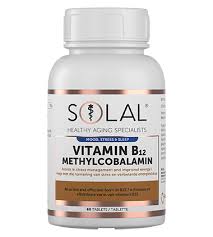
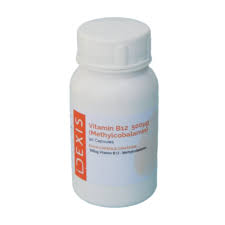

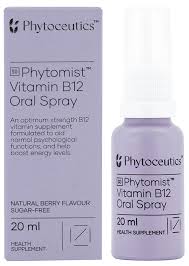
Show this email to the cashier to get a 10% discount on any of these 4 products until the end of October 2025