
Every day, the body is exposed to a continuous stream of toxins from food, alcohol, medications, environmental pollutants, bacteria and viruses.
To manage this burden, the body relies on a sophisticated network of detoxification systems, including the skin, intestines, kidneys and, most importantly, the liver.
When these systems become overwhelmed, the body’s ability to maintain internal balance, known as homeostasis, is disrupted. This can lead to a wide range of symptoms, from fatigue and headaches to hormonal imbalance, immune dysfunction and chronic inflammation. Understanding how the liver detoxifies the body and how to support this process safely is essential for long-term health.
THE LIVER: THE BODY’S MASTER DETOX ORGAN
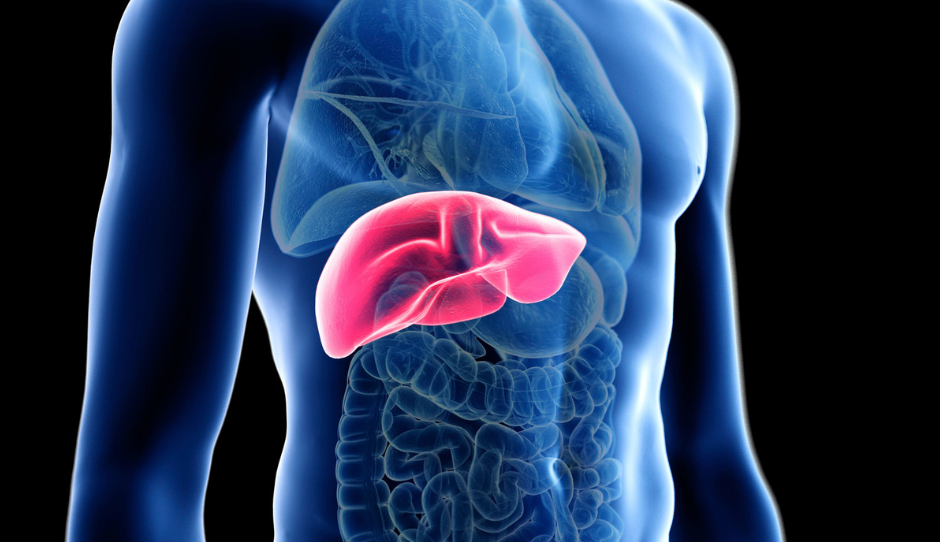
Although several organs contribute to detoxification, the liver plays a uniquely central role. It is involved in nearly every major physiological system, including the nervous, immune, endocrine, digestive and circulatory systems. Any decline in liver function therefore has far-reaching consequences throughout the body.
The liver is the second-largest organ after the skin. Beyond detoxification, it performs hundreds of vital tasks: processing nutrients, producing bile for fat digestion, synthesising proteins, regulating blood clotting, balancing blood sugar and supporting energy production through carbohydrate, fat and protein metabolism.

HOW LIVER DETOXIFICATION WORKS
Liver detoxification occurs in two main phases.
Phase 1 detoxification: In Phase 1, enzymes convert toxins into intermediate compounds. While this process is essential, it can temporarily make toxins more reactive and potentially more harmful if Phase 2 does not function efficiently.
Phase 2 detoxification: Phase 2 neutralises these intermediate compounds by binding them to molecules that allow safe elimination via bile or urine. This phase is highly dependent on specific nutrients, including B vitamins, magnesium, zinc, vitamin C and bioflavonoids.
Modern research continues to confirm that supporting Phase 2 detoxification is critical, as excessive stimulation of Phase 1 without adequate Phase 2 support can worsen symptoms rather than improve them.
HEAVY METAL TOXICITY AND THE LIVER
Many environmental toxins, particularly heavy metals, are fat-soluble. This makes them easy to absorb but difficult to excrete. Over time, they accumulate in soft tissues and organs, placing a significant burden on liver detox pathways.
Heavy metals of greatest concern include lead, mercury, cadmium and aluminium.
Lead is a widespread non-essential trace element. It is neurotoxic and may damage DNA. It has historically been found in petrol residues and may still appear in certain cosmetics and environmental sources. Once absorbed, it is stored in bones and soft tissue and can interfere with the absorption and utilisation of iron, zinc and calcium.
Mercury levels in the atmosphere are generally low, but mercury bioaccumulates up the food chain, particularly in large predatory fish. Dental amalgams may release mercury vapour, which can increase with chewing and tooth brushing. Toxicity has been associated with muscle weakness, mood shifts and memory problems.
Cadmium appears to have no biological function. It concentrates in the kidneys and is associated with hypertension and bone damage. It is extremely high in cigarette smoke and may also appear in certain food sources. It is mainly stored in the liver and kidneys.
Aluminium is found in household foil, beverage cans, kitchen utensils, some foods, medications and cosmetics. Excess aluminium may be stored in the brain, bones and liver. Raised levels in children have been associated with behavioural concerns.
SYMPTOMS OF IMPAIRED DETOXIFICATION
Signs that detoxification pathways may be under strain include fatigue, muscle aches and headaches, symptoms that worsen with exposure to petrol fumes or perfume, unusual reactions to common drugs, herbs and vitamins, poor tolerance of alcohol or caffeine, feeling physically unwell with increased stress or exercise, sleep disturbances, forgetfulness, chronic pain and inflammation, compromised immunity and symptoms consistent with fibromyalgia or chronic fatigue syndrome.
DETOXIFICATION PROTOCOLS AND SAFETY
Therapeutic detoxification is intended to support the body’s natural systems of detoxification. Methods may include dietary therapy, herbal medicine, probiotics, hydrotherapy, sauna therapy, exercise, fasting or juicing, and vitamin and mineral supplementation. Chelation therapy may be used in specific cases to support heavy metal removal, and colonic irrigation is sometimes used by practitioners.
During some detoxification approaches, toxins released from tissues may temporarily increase in the bloodstream before elimination. For this reason, some people experience a short-term worsening of symptoms, including headaches, fatigue, skin eruptions, irritability, gas, muscle tightness, yawning, menstrual changes and altered bowel habits. Some approaches, particularly fasting or colon-based therapies, may also increase the risk of dehydration or depletion of essential nutrients.
LIFESTYLE STRATEGIES TO SUPPORT LIVER FUNCTION
Supporting detoxification begins with reducing toxic load and improving elimination. Increase your intake of fibre, which binds toxins and supports removal via the bowel. Wash non-organic fruit and vegetables well. Choose grass-fed, free-range or organic animal products where possible. Avoid fish likely to contain high mercury levels and avoid farmed fish that may carry antibiotic residues. Reduce pre-packaged foods and processed meals that are high in preservatives. Avoid processed deli meats that are high in nitrites and histamines. Read labels and avoid artificial additives and colours. Check the ingredients of cosmetics and deodorants, as some may be high in aluminium or contaminated with heavy metals. If you smoke, quitting is essential.

NUTRIENTS THAT SUPPORT LIVER DETOXIFICATION
The two main phases of detoxification rely on nutrient cofactors. A varied diet remains the most reliable foundation, with particular emphasis on nutrients that support Phase 2 detoxification.
Nutrients and food-based cofactors that support liver detoxification include indole-3-carbinols from cruciferous vegetables, magnesium from pumpkin seeds and leafy greens, zinc from pumpkin seeds, lamb, herbs and other whole foods, vitamin C from fruits and vegetables, flavonoids from berries, apples, citrus and teas, sulforaphane-rich foods such as broccoli and watercress, selenium from fish, shellfish, Brazil nuts and mushrooms, and B vitamins from eggs and leafy greens.
Cruciferous vegetables are widely valued in functional nutrition for supporting detoxification pathways. When individual thyroid sensitivity is present, it can be helpful to vary preparation methods and include cooked options alongside raw salads, rather than relying on large daily servings of raw crucifers alone.
TARGETED SUPPLEMENTS IN LIVER SUPPORT
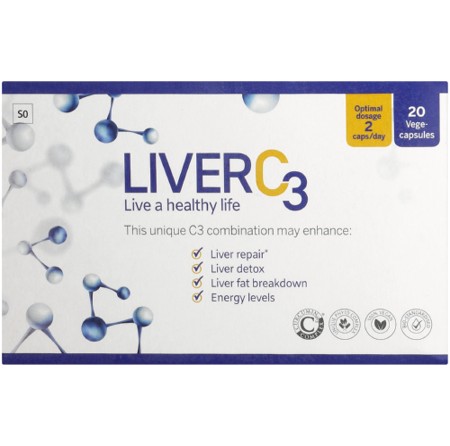
When clinically appropriate, targeted supplementation may support detox pathways.
Chlorophyll is a compound associated with plant pigmentation and structurally related to haem. It is obtained from green leafy vegetables, algae such as chlorella and spirulina, wheatgrass and herbs. It has been studied for its role in supporting Phase 2 cytoprotective genes.1
Milk thistle (silymarin) has been used traditionally for liver support and is discussed in the context of supporting Phase 2 detoxification capacity and antioxidant defences.
Spirulina is a nutrient-dense blue-green algae containing B vitamins, beta-carotene, vitamin E and minerals. Spirulina extract with zinc has been explored in the context of supporting heavy metal detoxification.
Turmeric (curcumin) is a polyphenol used traditionally in Ayurvedic medicine to support digestion and the liver. It has also been explored for its interactions with metals such as copper and iron in research contexts. Early studies have investigated its potential role in amyloid-related mechanisms, although this remains an area of ongoing research.
Probiotics may support detoxification by protecting intestinal barrier integrity and discouraging toxin-producing bacteria from overgrowing in the colon. Certain strains have also been explored for their ability to bind some heavy metals, which can be relevant in practitioner-led protocols.
CONCLUSION
Detoxification is not about extreme cleanses. It is about supporting the body’s own systems through nutrition, lifestyle and targeted interventions when needed. While general principles are universal, effective detoxification is always individualised.
If you are pregnant, diabetic or living with chronic illness, speak to a qualified health professional before beginning any detoxification programme. In some cases, a practitioner may recommend testing, such as blood, urine, stool or hair analysis, to guide a bespoke plan.
References
- Fahey JW, et al.Chlorophyll, chlorophyllin and related tetrapyrroles are significant inducers of mammalian phase 2 cytoprotective genes. Carcinogenesis. 2005;26(7):1247–1255.
- Baum L, Ng A. Curcumin interaction with copper and iron suggests one possible mechanism of action in Alzheimer’s disease animal models. J Alzheimers Dis. 2004;6(4):367–377.